
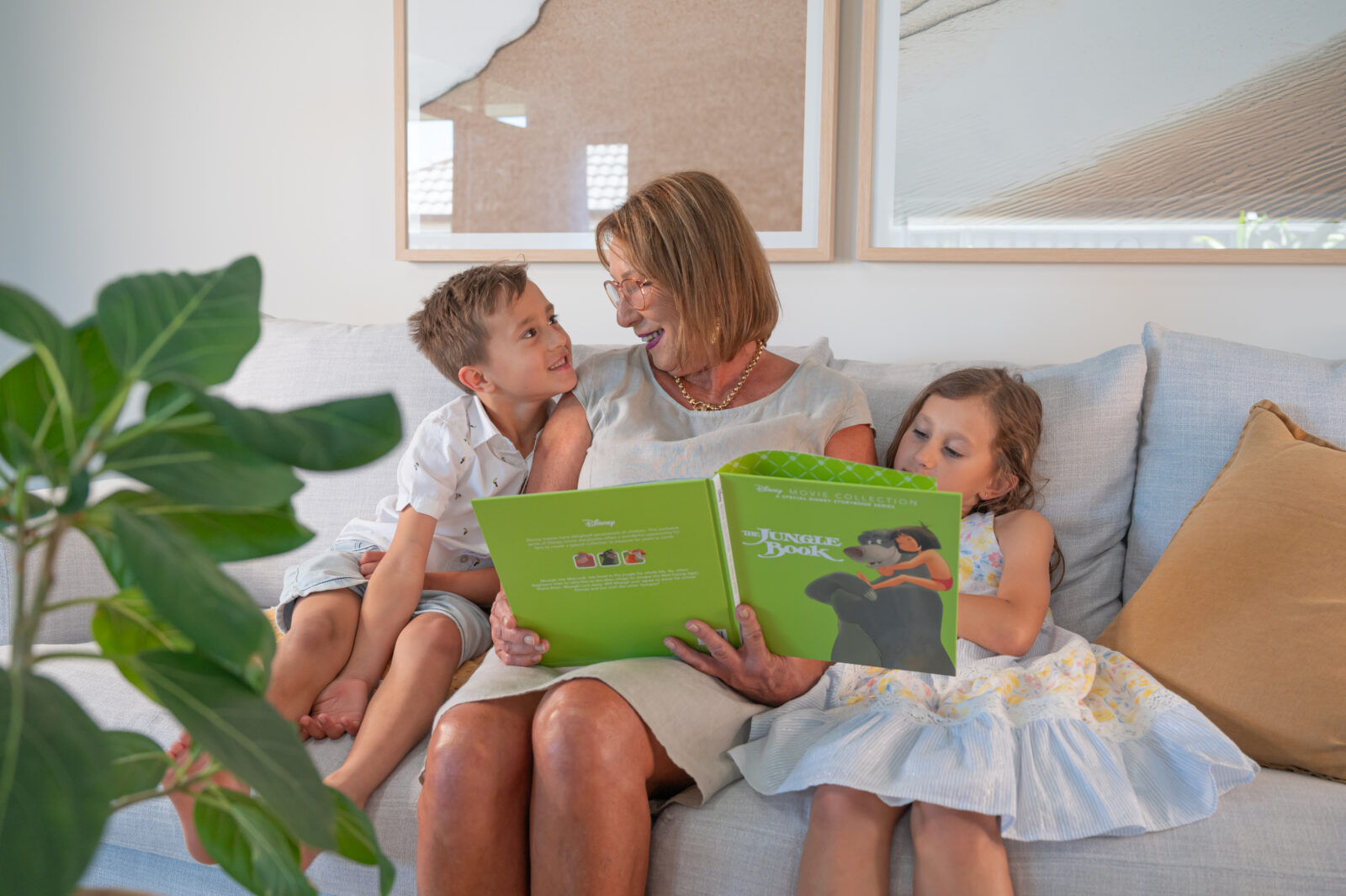
Gift of Love: The Reason One Couple Decided to Become Foster Carers
Earlier this year, Jane and Christopher became authorised foster carers and in June opened their home and their hearts to a special three-year-old.
The couple says they are already discovering the joys and rewards that it can deliver.
“Our foster child is sweet and loves nature, so it’s been fun exploring the outdoors and seeing the wonder on his face when he makes a new discovery,” said Jane.
“Watching him gain confidence and having the realisation that all of the experiences you share together are helping build their character is an incredible privilege.”
The couple, who also have a child of their own, applied to become foster carers through CatholicCare Wollongong, after considering the possibility for several years.
“It was something we decided we wanted to do before we had our own child after reading stories about the desperate need for carers – it was just getting the timing right,” said Jane. “We had happy, stable childhoods so felt that we wanted to provide a home for a child who might have had a rocky start.
“It is a big commitment, but in many ways the adjustment is similar to having a biological child, they are all so different with their own individual strengths and challenges.”
CatholicCare Wollongong’s Lisa Condon has been overseeing carer recruitment and support for more than 10 years. She says there continues to be an urgent need for carers in the Illawarra and South Coast region, a situation that’s been made worse by the increased pressures facing the community.
Right now, there are more than 100 vulnerable children across the Illawarra, South Coast, Macarthur and Southern Highlands areas waiting for a safe place to call home.
Without enough foster carers to provide stable homes for the children, many of them need to be placed in non-permanent emergency care for longer or in residential settings where they are cared for by a roster of staff.
“It means it takes longer for children to have that stable, family-based care they need,” said Ms Condon.
“We know children have the best outcomes when they have stability, safety and a sense of belonging. They’re not wondering where am I going to go next? They have a family and a home.”
The process to becoming a foster carer begins with a meeting with CatholicCare staff where the prospective foster families can find out exactly what foster care involves so they can decide if it’s right for them and also what kind of care might suit them at their point in life, whether it’s emergency, respite or full-time care.
“Through the process of becoming a carer we provide lots of support, information, training and preparation to care for a child,” said Ms Condon. “We work with them to carefully match a child or young person to their family based on everyone’s needs and circumstances.”
Foster parents and children receive ongoing support including a dedicated caseworker, continual access to training and the guidance of child behaviour experts, as well as financial support. They are also connected with other carers through support groups and events.
“It’s about having that community of people around you who are walking the walk, that peer support that can be really beneficial,” said Ms Condon.
For Jane and Christopher, there were some nerves when the moment came for them to meet their foster child.
“We were really curious about what their personality might be like and the things they were interested in,” said Jane. “There was a bit of nervous anticipation too, wondering how they might feel coming into our home.
“It has been a big adjustment and we are still learning a lot. Some of the behaviours we were prepared and nervous about didn’t eventuate and there have been other challenges we didn’t expect, but we’re very glad we decided to do it.”
Their message for prospective foster carers is enthusiastically positive.
“It certainly takes time, patience and understanding but like most big life experiences it comes with unexpected surprises,” said Jane.
“Every situation and child is different so I can only speak to our experience but I would encourage others who feel they have capacity to provide a nurturing home, to consider looking into it.”