
Care should not stop at the hospital door
Michael Austin, CEO of CatholicCare Diocese of Wollongong, shares his thoughts on the ongoing challenge of hospital exit block.
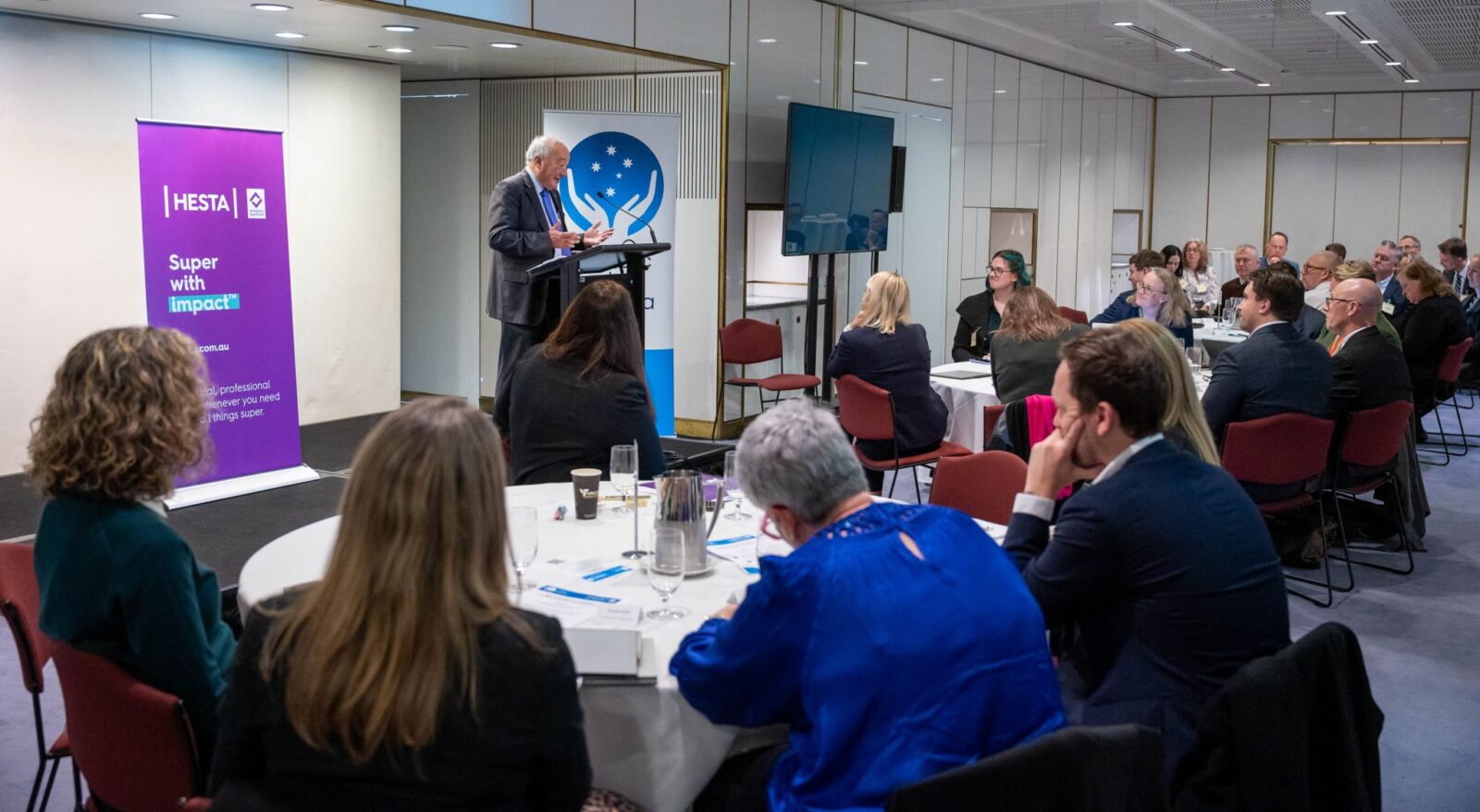
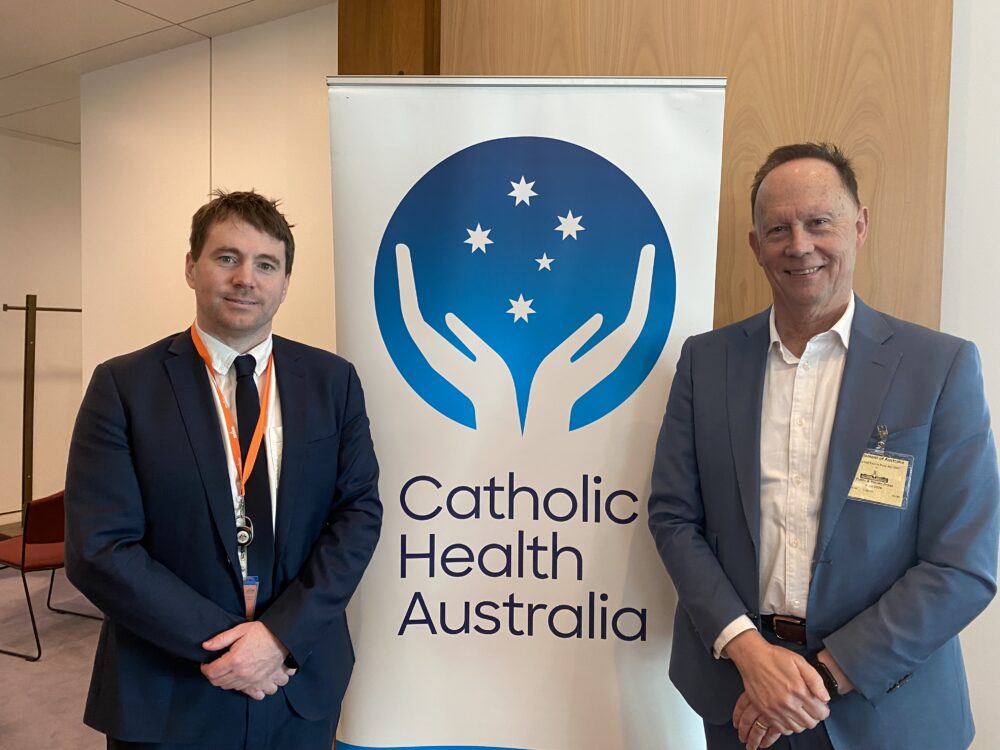
Earlier in July, I attended the Catholic Health Australia Parliamentary Roundtable at Parliament House in Canberra, focused on hospital exit block and the growing pressure it is placing on people, families, and the wider care system.
It is easy for this issue to sound technical. Terms like delayed discharge, hospital flow, and bed block can make it seem like a system problem.
But at its heart, this is a human issue.
Across Australia, people who are medically ready to leave hospital are remaining there because the right supports are not available or not connected in time. This is acutely felt within the Diocese of Wollongong, particularly within the Illawarra Shoalhaven Local Health District, with 166 people, as of March 31 2026, unable to leave due to aged care or NDIS placements being unavailable.
This is not where people should be left.
Catholic Health Australia has highlighted the scale of the challenge, with hospital patient days attributed to people waiting for residential aged care rising to 460,122 in 2023-24, costing the hospital system up to $1.61b each year.
Those numbers matter, but they are not the full story.
Every delayed discharge represents a person whose life is effectively on hold. It can mean an older person losing confidence and independence. It can mean a family trying to navigate complex decisions with little clarity. It can mean a person with disability remaining in an acute hospital setting when what they need is suitable support in the community.
This is why the conversation must move beyond hospital capacity alone. It must also move further upstream. One of the clearest messages from the roundtable was that we cannot simply focus on moving people out of hospital more quickly. We need to support people earlier, helping them maintain independence, prevent avoidable decline and access the right care before they reach crisis point. When we do that, outcomes improve for individuals, families and the broader care system alike.
Hospital exit block is really a symptom of a broader challenge across the care economy. Health, aged care, disability, housing and community supports may be funded separately, but people experience them as one journey. When those connections break down, people become stuck between systems.
For Catholic providers, this is also a mission issue.
Our commitment to human dignity calls us to see the person before the process. Our commitment to the common good reminds us that no part of the care system exists in isolation. And our commitment to solidarity asks us to pay particular attention to those most likely to be left waiting: older people, people with disability, people without secure housing, and families trying to coordinate care at moments of stress.
The solutions are not abstract. Catholic Health Australia is calling for practical national reform, including dedicated discharge and transition coordination roles, more transition accommodation and step-down care, stronger accountability across governments, better data sharing, and greater investment in upstream and downstream community-based supports.
At CatholicCare Diocese of Wollongong, we know the difference coordinated, local support can make. Across our aged care, disability, and community services, our work is grounded in helping people remain safe, connected, and supported in the place they call home.
Community organisations cannot solve hospital exit block alone. But we must be part of the solution earlier and more intentionally. We have relationships in community, experience supporting people through complex systems, and a mission that call us to stand with people when systems are difficult to navigate.
A good care system should not be measured only by how well it treats people when they are actually unwell. It should also be measured by how well it helps them return safely to their lives, homes, and communities.
That is the reform we should be working towards: a system where care does not stop at the hospital door, where people receive support early enough to remain independent for longer, and where no person is left waiting simply because the next part of the system is not ready for them.